The Cat Wellness Guide: Everyday Habits That Help Cats Thrive
Let me say this loud and early: I am not a veterinarian. Nothing on this page is medical advice. If your cat is sick, please call your vet. Right now if needed. We’ll be here when you get back.
That said, there’s a lot we can do as cat parents to support our cats’ wellness — the everyday habits, environment, and routines that help cats live longer, happier lives. That’s what this guide is about.
Cat wellness, the way I think about it, isn’t about diagnosing or treating anything. It’s the lifestyle stuff. The daily, weekly, seasonal habits that keep healthy cats healthy. The environment that supports a calm, well-adjusted cat. The observations that help you notice when something feels different. The relationship with a veterinarian who actually knows your cat. None of that is medical practice. All of it is wellness practice.
Cats are masters at hiding when something’s off. That’s a survival instinct — in the wild, an animal showing weakness becomes prey. Which means we, the humans, have to be observant on their behalf. The more you understand what a healthy cat lifestyle looks like, the easier it is to notice when something shifts. Early noticing is everything.
This guide walks through the everyday side of cat wellness: preventive care basics, signs of a healthy cat, lifestyle habits, comfort and environment, senior cat support, pet insurance considerations, and the safety knowledge every cat parent should have on hand. None of it replaces your vet. All of it can make you a more confident, more attentive cat parent.
A reminder before we dive in: when in doubt, ask your vet. That sentence will appear several more times in this guide, and it never stops being true.

What “Cat Wellness” Actually Means
The word “wellness” gets tossed around a lot, and it’s worth defining what it means in the context of cat care — and what it doesn’t.
Cat wellness covers the lifestyle and environmental factors that support a healthy life. That includes nutrition habits, daily routines, mental stimulation, hydration, social and physical environment, preventive veterinary care, and the awareness that helps you partner with your vet effectively. Wellness is about supporting health before problems start, and noticing changes early enough to act on them.
Cat wellness does not mean treating illness, diagnosing symptoms, recommending medications, or replacing professional veterinary care. Those are veterinary matters, and they belong with your vet. The line between wellness and medicine isn’t always perfectly clean, but it’s a useful distinction. Wellness is what you build at home. Medicine is what your vet handles.
Most cats live long, healthy lives when wellness fundamentals are in place. Good nutrition. Consistent routines. Mental enrichment. Hydration. Stress management. Annual vet visits. Early attention to changes. These aren’t dramatic interventions — they’re quiet daily practices that compound over years. The cats who do best in life are usually the ones whose humans take wellness seriously without overthinking it.
Preventive Care: The Foundation of Cat Wellness
Preventive care is the cornerstone of supporting a healthy cat throughout their life. It’s the routine stuff that happens before anything goes wrong — annual vet visits, dental hygiene, parasite prevention, weight management, microchipping. None of it is exciting. All of it adds years of quality life.
Annual Vet Visits
A lot of cat parents skip annual vet visits when their cat seems “fine.” That’s understandable, but it’s also why so many feline issues get caught late. Cats hide discomfort really well. Annual checkups give your vet a chance to spot subtle changes in weight, dental health, coat condition, and overall body condition that you might not notice at home.
Most healthy adult cats benefit from at least one wellness exam per year. Cats over 10 typically need more frequent check-ins — twice a year is common. Kittens need a series of visits in their first year. Your vet can recommend the right cadence for your individual cat.
What happens at a typical wellness visit:
- A general physical exam — weight, coat, eyes, ears, teeth, body condition
- A conversation about diet, behavior, activity, litter box habits
- Discussion of any changes you’ve noticed at home
- Recommendations for vaccinations and preventive treatments based on your cat’s lifestyle
- Lab work if appropriate, especially for senior cats
The vet visit is also when you build the relationship that matters most when something does go wrong. A vet who has seen your cat annually for years knows their baseline. They can compare today’s exam to last year’s notes. That continuity is enormously valuable, and you can’t manufacture it during an emergency.
Vaccinations Overview
Vaccinations are part of preventive care, but the specifics — which vaccines, on what schedule — depend entirely on your individual cat. Indoor-only cats may have different needs than indoor/outdoor cats. Kittens follow different protocols than adults. Cats with certain medical histories may need adjusted schedules.
This is exactly the kind of conversation to have with your vet rather than the internet. There’s no one-size-fits-all vaccination schedule for cats. What’s right for your cat depends on factors only your vet can fully assess.
What you can do as a cat parent is keep good records. Vaccination history, lot numbers, dates, and your vet’s notes all live in a folder (physical or digital). When you change vets, move, or face an emergency, that history matters.
Dental Care Basics
Dental health is one of the most underrated areas of cat wellness. Many cats develop dental issues over time, and untreated dental disease can affect overall comfort and well-being. The lifestyle side of dental wellness includes:
- Brushing your cat’s teeth, if they tolerate it (start young if possible)
- Dental treats and chews designed for cats
- Dental toys that encourage chewing
- Regular dental exams as part of annual vet visits
Cat teeth brushing is more achievable than most people think. The trick is starting gentle, using a cat-specific toothpaste (never human toothpaste — fluoride is toxic to cats), and building tolerance over weeks. Even brushing once or twice a week supports dental wellness over time.
Your vet will assess your cat’s dental health at annual visits and let you know if professional dental care is needed.

Spaying, Neutering, and Microchipping
Most cat parents have these procedures handled in the first year of their cat’s life, but they’re worth mentioning as foundational preventive care.
Spaying and neutering has lifestyle benefits beyond the obvious. Many spayed and neutered cats are calmer, less prone to roaming behaviors, and don’t display certain hormonal behaviors that complicate home life. Your vet can advise on the right timing for your individual cat.
Microchipping is a one-time procedure that creates a permanent ID for your cat. If your cat ever gets lost, escapes, or is mistaken for a stray, that microchip is often the difference between getting them home and not. Most shelters and vet offices scan every cat that comes through. The chip itself is permanent — but the registration information has to stay current. Update your contact details anytime you move.
Parasite Prevention
Flea and tick prevention, plus routine deworming, are part of normal preventive care for most cats — even indoor cats. Fleas don’t need an outdoor cat to find a home. They hitchhike on shoes, clothes, dogs, and other pets.
Your vet will recommend appropriate preventive products based on your cat’s age, weight, and lifestyle. The specifics — which product, what frequency, what dosage — belong to your vet, not the internet. What matters from a wellness standpoint is staying current on whatever protocol your vet recommends.
Signs of a Healthy Cat
One of the most useful things you can develop as a cat parent is a clear sense of what “normal” looks like for your individual cat. Every cat is a little different. Their “normal” — how much they eat, how much they sleep, how much they play, how they greet you — is your baseline. The more familiar you are with their baseline, the easier it is to notice when something shifts.
What Healthy Cats Generally Look Like
A healthy adult cat typically shows:
- A good appetite at consistent feeding times
- Steady body weight without dramatic changes
- Clear, bright eyes without discharge
- A clean, well-groomed coat with no bald patches or excessive shedding
- Pink, healthy-looking gums (though check with your vet if you’re not sure what normal looks like)
- Regular use of the litter box with consistent patterns
- Normal energy levels and engagement with their environment
- Comfortable movement — no limping, stiffness, or unusual posture
- Consistent grooming habits
- Predictable sleep patterns
This isn’t a checklist to obsess over. It’s just a general picture of what cat wellness looks like when things are going well. Most healthy cats hit most of these markers most of the time. Your baseline is what you observe over weeks and months of paying attention.
Building Your Cat’s Baseline
The first few weeks with a new cat are when you start building their baseline. Watch their patterns:
- When do they eat? How much do they eat?
- How often do they drink water?
- When do they sleep, and where?
- How do they greet you?
- What’s their litter box routine?
- How do they play?
- What’s their typical mood?
Over time, this baseline becomes intuitive. You’ll know without thinking that your cat usually wants breakfast at 7:15, naps on the back of the couch in the afternoon, gets the zoomies around 9 p.m., and curls up at your feet at bedtime. Once that pattern is internalized, a deviation jumps out.
Changes Worth Paying Attention To
You don’t need to be paranoid. You just need to be observant. Some shifts are worth noticing and watching, and some warrant calling your vet sooner rather than later.
Things worth watching:
- Sudden change in appetite (eating much more or much less)
- Notable change in water intake
- Changes in litter box habits — frequency, location, or appearance
- Sudden weight loss or gain
- Changes in activity level — much more lethargic or much more restless than usual
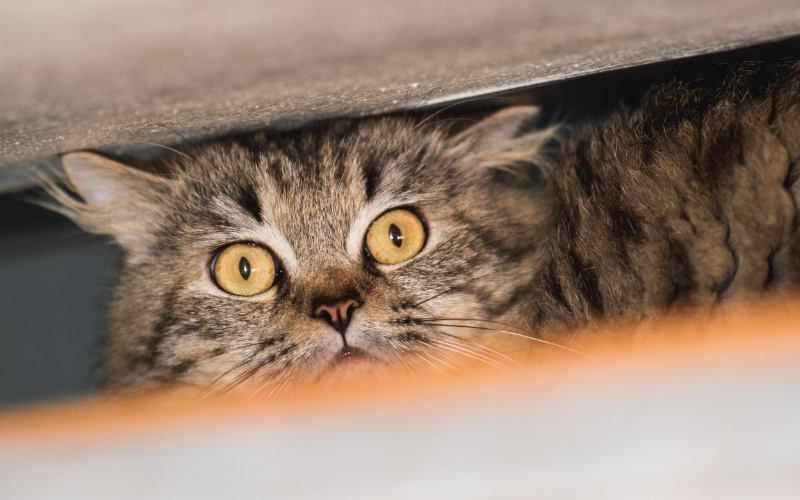
- Hiding more than usual, or seeking unusual amounts of attention
- Changes in coat condition or grooming habits
- Limping, stiffness, or reluctance to jump
- Changes in vocalization — much quieter than usual, or much more vocal
- Behavioral shifts that seem out of character
A single off day is usually nothing. A pattern that persists or intensifies is worth a vet conversation. The judgment call — when to call versus when to wait — gets easier with experience, but a general rule is: if it’s been more than a day or two and your gut says something’s off, make the call. Vets would rather hear from you about something minor than miss something serious.
Daily Wellness Habits for Cats
A lot of what we call “cat wellness” is really just daily lifestyle stuff. The water bowl. The play sessions. The litter box rhythm. The quiet observation. Done consistently, these habits add up to a cat who feels safe, stimulated, and well cared for.
Hydration
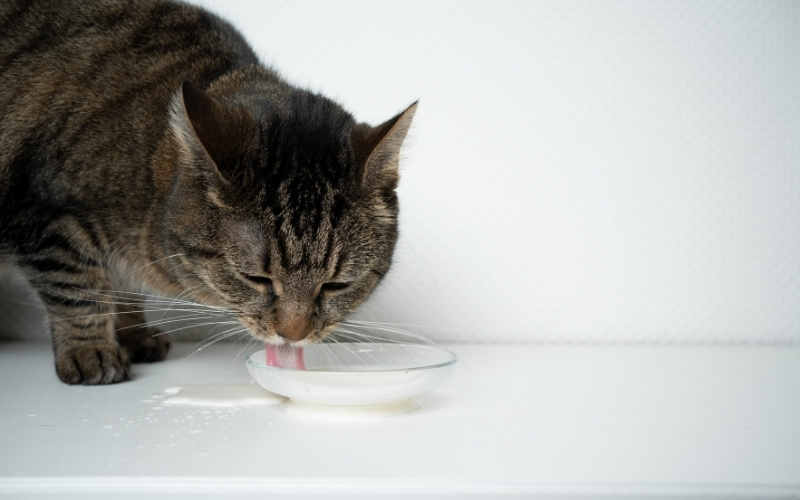
Hydration is one of the most overlooked aspects of cat wellness. Many cats don’t drink as much water as they ideally would, partly because cats evolved from desert ancestors and partly because still water in a bowl isn’t always appealing to them.
Lifestyle changes that support better hydration:
- Multiple water sources throughout your home — cats often prefer water in unexpected locations
- Wide, shallow bowls rather than narrow deep ones (some cats dislike their whiskers touching bowl edges)
- Water fountains — many cats are drawn to running water and drink significantly more from a fountain
- Wet food in the diet — wet food contains about 70% moisture, which supplements direct water intake
- Fresh, clean water daily — refilled and bowls washed regularly
You don’t need to measure your cat’s intake daily. But noticing patterns matters. A cat suddenly drinking much more or much less than usual is worth a vet conversation.
Daily Play and Mental Stimulation
Indoor cats need daily mental and physical stimulation. Without it, boredom sets in, and bored cats often develop habits humans don’t love — overeating, excessive grooming, sleep disruption, behavioral changes.
A simple wellness habit: two play sessions per day, ten to fifteen minutes each, with an interactive toy that lets your cat stalk, chase, pounce, and “catch” something. Wand toys are gold for this. So are puzzle feeders that make mealtime a hunting exercise.
Mental stimulation doesn’t have to be elaborate. Rotating toys, opening curtains so they can watch outside, leaving cardboard boxes for exploration, training them to do simple tricks (yes, cats can learn tricks) — all of it counts as enrichment.
Healthy Weight Lifestyle
Many indoor cats carry more weight than is ideal for their long-term wellness. Maintaining a healthy weight is one of the most impactful things you can do for your cat’s quality of life over the years.
Lifestyle factors that support a healthy weight:
- Portion control — feed measured amounts at consistent times rather than free-feeding
- Quality food — high-protein, appropriate-calorie cat food appropriate for life stage
- Active play — daily play sessions burn calories and engage their predator instincts
- Limited treats — a general guideline is keeping treats to about 10% of daily calories
- Puzzle feeders — turn meals into mental exercise
If your cat is significantly underweight or overweight, that’s a conversation for your vet. They can help assess body condition and recommend an appropriate plan. Generic weight advice from the internet isn’t a substitute for vet guidance on this one.
Stress Management and Emotional Wellness
Cat wellness includes emotional wellness, which is more important than people often realize. Stress affects cats in ways that show up as behavior changes, reduced appetite, hiding, over-grooming, and other quality-of-life issues.
Common lifestyle stressors for cats:
- Sudden changes in environment or routine
- New pets or family members
- Construction, loud noises, or chaos at home
- Multi-cat conflict or competition
- Lack of safe retreat spaces
- Inadequate enrichment
Lifestyle approaches that support emotional wellness:
- Consistent daily routines (cats love predictability)
- Multiple safe spaces and hiding spots
- Vertical territory for cats who like to perch
- Adequate resources in multi-cat homes (litter boxes, food bowls, beds — one of each per cat plus extra)
- Calm transitions during changes
- Pheromone diffusers like Feliway in stressful situations
A relaxed cat is a healthier cat. The environment they live in shapes that.
The Daily Wellness Checklist
A simple daily wellness routine for most cats looks like:
- Fresh water, bowls rinsed and refilled
- Meals at consistent times in appropriate portions
- A few minutes of interactive play
- Litter box scooped
- Quick visual check — eyes, coat, energy, demeanor
- Brushing if appropriate for coat type
Weekly habits layer on:
- Bowls washed thoroughly
- Full or partial litter change
- Bedding washed
- Toys cleaned or rotated
That’s the bulk of it. Done consistently, it’s the foundation that supports a thriving cat for years.
Comfort and Environment
Cat wellness is deeply tied to environment. The home a cat lives in shapes their stress levels, activity, mental engagement, and overall quality of life. You don’t need a cat palace. You need a thoughtful setup.
Vertical Space and Territory
Cats are climbers by nature. They want to perch, observe, and have territory at multiple heights. A home with vertical options — cat trees, window perches, wall shelves, cleared shelf tops — feels exponentially bigger and richer to a cat than a home using only floor-level space.
In multi-cat households, vertical space is even more important. It lets cats share territory without constant face-to-face proximity, which reduces conflict and stress.
Window Views and Outdoor Watching
A window with bird traffic outside is some of the best free entertainment a cat can have. Indoor cats benefit enormously from being able to watch the world. A window perch, a chair near a window, or simply opening blinds at certain times of day adds wellness value.
Bird feeders placed where cats can see them but can’t reach them turn the window into ongoing cat TV. Many indoor cats spend hours watching outdoor activity, which engages their predator brain in a safe, satisfying way.

Safe Retreats
Every cat needs at least one place where they can completely decompress. Somewhere they feel hidden, safe, and uninterrupted. This is especially important in homes with kids, other pets, or a lot of activity.
A safe retreat can be as simple as:
- A covered bed in a quiet corner
- The inside of a cat tree
- An open closet shelf with bedding
- A sturdy cardboard box
The point is that your cat has the option to retreat when overwhelmed. Cats who can self-regulate their stimulation tend to be calmer, more confident, and more emotionally well-balanced.
Calm Environment for Anxious Cats
Some cats are naturally more anxious than others. Rescue cats with rough early lives, breeds that tend toward shyness, or cats who’ve experienced significant changes may all need extra environmental support.
Lifestyle approaches for anxious cats:
- Predictable routines
- Lower household noise during sensitive times
- Multiple retreat options
- Pheromone diffusers
- Gradual introductions to new situations or people
- Patience — many anxious cats blossom over months, not days
For cats whose anxiety is significant or persistent, your vet may have additional recommendations. Don’t try to manage serious anxiety with internet advice alone — your vet can assess the situation properly.

Senior Cat Wellness
Cats are generally considered senior around age 11, though many stay sprightly well into their teens and beyond. The senior years can be some of the sweetest with a cat — they’re often calmer, more affectionate, and deeply bonded. They just need a few wellness adjustments.
Lifestyle Changes for Senior Cats
As cats age, certain lifestyle adjustments help them stay comfortable:
More frequent vet visits. Twice a year is standard for senior cats, rather than annually. Your vet can catch age-related changes early.
Easier access to resources. Older cats may struggle with high-sided litter boxes, jumping to favorite spots, or navigating stairs. Lower-sided litter boxes, ramps to beds, and resources on multiple levels of the home all help.
Softer, warmer resting spots. Senior cats often appreciate softer beds, sometimes heated, in draft-free locations.
Diet adjustments. Some senior cats benefit from age-appropriate food formulas — but this is a conversation for your vet, not a generic switch. Your vet can recommend what’s right for your specific cat.
Continued play. Senior cats still need mental and physical engagement. The intensity may be lower, but they still benefit from interactive play and stimulation.
Senior Cat Comfort
Comfort matters more for senior cats than for younger ones. Their bodies don’t bounce back the way they used to, and small discomforts add up.
Practical comfort upgrades:
- Beds in their favorite spots, with thicker padding
- Steps or ramps to beds and high resting spots if jumping has gotten harder
- Quiet retreats away from younger pets or chaotic household activity
- Easier-access litter boxes (low sides, multiple locations)
- Gentle handling and patience during grooming or vet visits
The wellness goal in senior years is quality of life. Comfort, gentleness, and consistent care matter more than ever.
Pet Insurance and Financial Wellness
Pet insurance is a wellness consideration most people don’t think about until they need it. Vet bills can get significant fast, and many cat parents face hard financial decisions during emergencies that better preparation could have softened.
Pet insurance isn’t right for everyone, but for many cat parents, it’s a smart safety net. Different plans cover different things — some include wellness care, others only cover accidents and illnesses. The best plan depends on your cat’s age, breed, your budget, and your comfort with risk.
A few alternatives or supplements to insurance:
- An emergency savings fund dedicated to your cat (some people prefer this over insurance)
- CareCredit or similar veterinary financing options
- Direct relationships with vets who offer payment plans
What matters from a wellness standpoint is having some plan in place before an emergency happens. Decisions made under financial stress are harder than decisions made calmly in advance.
Safety Awareness Every Cat Parent Should Have
Part of wellness is knowing what’s dangerous and being prepared. Most household emergencies involving cats are preventable with basic awareness.
Toxic Foods and Household Items
Common human foods that are toxic to cats include:
- Chocolate
- Onions, garlic, chives, and leeks
- Grapes and raisins
- Alcohol
- Caffeine
- Xylitol (artificial sweetener)
- Raw dough
- Certain nuts
This isn’t an exhaustive list — when in doubt, don’t give human food to your cat without checking with your vet first.
Household items to keep secured:
- All medications, including over-the-counter
- Cleaning products
- Antifreeze (highly toxic, even small amounts)
- String, ribbon, hair ties, rubber bands (intestinal blockage risk if swallowed)
- Essential oils (many are toxic to cats)
Toxic Plants
Many common houseplants are toxic to cats. Lilies of all varieties are particularly dangerous and can cause severe damage even from minimal exposure to pollen.
Other common plants to watch for:
- Sago palm
- Tulips
- Azaleas and rhododendrons
- Pothos
- Philodendron
- Aloe vera
- Many succulents
The ASPCA maintains a comprehensive database of toxic and non-toxic plants at aspca.org. It’s worth checking every plant in your home against it.
Cat-safe alternatives include cat grass, spider plants, Boston ferns, African violets, and air plants. If your cat tends to chew on greenery, catnip and cat grass are great safe outlets.
Emergency Awareness
Every cat parent should know:
- Your vet’s regular and emergency contact numbers
- The nearest emergency animal hospital and their hours
- ASPCA Animal Poison Control: (888) 426-4435 (available 24/7)
- Your cat’s microchip number and registration details
These should be saved somewhere accessible — not just on a phone that might be missing in an emergency. A magnet on the fridge with key numbers works well. So does sharing the information with anyone who might watch your cat.
A Basic First Aid Awareness Kit
Having a few cat-appropriate first aid supplies on hand can stabilize a situation while you get to the vet. A basic kit might include:
- Sterile gauze and bandages
- A pet-safe antiseptic solution
- A pet thermometer (for awareness, not treatment)
- A carrier ready to go
- A list of emergency phone numbers
- Your vet’s contact information
The kit is for stabilizing — not for treating. If your cat has an emergency, get them to a vet. First aid awareness buys you a little time, nothing more.
The Wellness Mindset
If everything in this guide compressed into a few principles, it would be these:
Know your cat’s normal. Then notice when it shifts.
Don’t skip annual vet visits. Even when your cat seems fine. Especially when your cat seems fine — that’s when small things get caught early.
Build a relationship with a vet you trust. You’ll need them eventually, and continuity matters.
Hydration matters more than most people realize. Most cats don’t drink enough water on their own.
Mental enrichment is wellness too. A bored cat isn’t a fully thriving cat.
Senior cats need extra attention. Earlier vet visits, easier setups, gentler care.
Trust your instincts. If you feel something’s off, that instinct is worth honoring with a vet call.
Cat parents who pay attention catch things early. Cat parents who establish good lifestyle habits give their cats the best foundation. Cat parents who know what they don’t know — who call the vet instead of guessing — are the ones whose cats tend to thrive longest.
You don’t need to be an expert. You need to be observant, consistent, and willing to ask for help when something feels beyond your knowledge.
One Final Reminder
Everything in this wellness guide is meant to help you become a more informed, more attentive cat parent. It’s not medical advice. We don’t diagnose. We don’t prescribe. We don’t replace your vet — not even a little.
When your cat’s health is on the line, please reach out to your veterinarian. They’re the right person for those calls. We’re just the friendly site that helps you understand the lifestyle basics in between vet visits.
The cat you live with five years from now is the cat your daily wellness habits build. Show up consistently. Pay attention. Stay curious. Call the vet when something feels off. The rest tends to fall into place.